
The 2026 Winter Olympics officially commenced in Milan, Italy, amid the grandeur of San Siro Stadium, a venue steeped in history and iconic sports heritage. The opening ceremony was a spectacle of lights, music, and cultural performances, designed to showcase both Italian traditions and the global unity that the Olympics strive to foster. Thousands of athletes from around the world gathered on the field, while spectators filled the stands, their anticipation palpable. The atmosphere was electric, with chants, applause, and excitement marking the beginning of another edition of the Games that has long celebrated athletic excellence and international camaraderie.

Musical performances, elaborate choreography, and dazzling visual effects painted a vivid picture of Milan’s culture, from classical influences to modern Italian art. Performers dressed in vibrant costumes moved in synchronization, symbolizing the harmony of nations coming together. Fireworks and laser light displays illuminated the night sky above the stadium, highlighting the festive spirit that has become synonymous with Olympic ceremonies.
However, in the days leading up to the event, discussions around global political issues created a more complex backdrop for the festivities. Organizers emphasized that the focus of the opening ceremony should remain on sport, unity, and mutual respect among nations, hoping to remind both participants and spectators that the Olympic Games are meant to transcend political disputes and celebrate human achievement.
The Arrival of Team USA and the Crowd’s Reaction
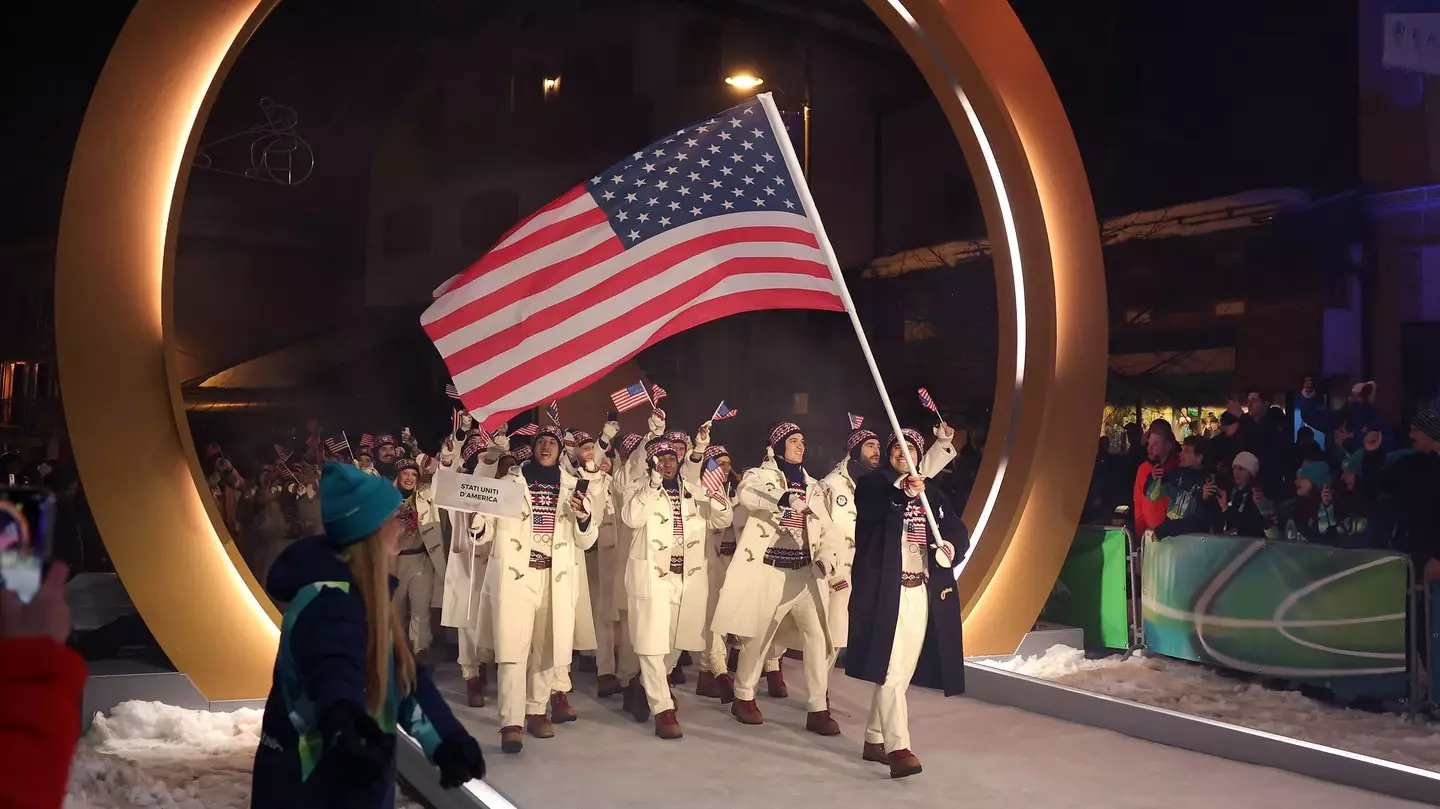
As athletes representing different nations began their parade into the stadium, the spotlight soon turned to Team USA. The American delegation entered to enthusiastic applause, waving flags and smiling at the cheering crowd. Representatives from the United States government were present in the absence of the president, and their presence was broadcast on the stadium’s large screens. This particular moment drew a notable reaction from the audience, illustrating the complex intersection of sport and politics in a global event.
While many spectators expressed appreciation for the athletes themselves—recognizing years of dedication, training, and personal sacrifice—other sections of the audience voiced criticism. Their reactions were less about the athletes and more connected to broader political contexts that had been widely discussed in the media in the days leading up to the ceremony. Social media platforms immediately became a space for debate, as viewers around the world discussed whether sporting events, especially those as historic and international as the Olympics, should remain insulated from political issues.
Some commentators noted that applause and cheers were often mixed with audible reactions of dissent, signaling that the crowd was engaged not only with the athletic spectacle but also with the symbolism and representation of national delegations. Despite this, the athletes continued to move confidently, focusing on their participation and the honor of representing their countries on one of the world’s biggest stages.
Political Demonstrations in Milan and Their Influence
In the days leading up to the opening ceremony, various protests and demonstrations emerged in parts of Milan. Demonstrators expressed opinions on international policies, human rights concerns, and environmental issues, reflecting the diverse voices and interests of people in a major European city hosting a global event. While these activities did not disrupt the ceremony itself, they were widely covered in the media, providing context for some of the reactions seen in the stadium during Team USA’s entrance.
Athletes from various countries occasionally addressed these global issues through their personal platforms, including social media posts and interviews, highlighting the balance between personal expression and the Olympic principle of political neutrality. Olympic officials reiterated that athletes are encouraged to respect guidelines aimed at keeping competitions focused on sport, while still acknowledging that individual voices have a place in broader conversations outside of the field of play.
This dynamic has become increasingly relevant in modern Olympics, where the rapid dissemination of information through social media allows athletes to communicate directly with global audiences. The challenge lies in maintaining the Olympics’ foundational commitment to unity and neutrality, while also recognizing that athletes are often influential voices capable of contributing to important discussions in society.
The Ceremony’s Celebration of Global Athleticism
Despite the surrounding political discussions, the opening ceremony ultimately remained a celebration of the Olympic spirit. Athletes from every continent were recognized, representing not just their countries but also the perseverance, discipline, and dedication required to compete at this elite level. For many spectators and participants, the ceremony offered a moment to honor the hard work that goes into preparing for these Games, emphasizing the human stories behind the medals and records.
From the parade of nations to the lighting of the Olympic cauldron, every segment of the ceremony reinforced the themes of unity and cultural exchange. Performers highlighted traditions from around the world, with segments featuring music, dance, and visual arts from various nations. These elements reminded attendees and viewers alike that the Olympics are as much a celebration of culture and heritage as they are of athletic achievement.
Media Coverage and Global Reactions
News outlets and online platforms covered both the spectacle of the ceremony and the reactions to Team USA’s entrance extensively. Commentators highlighted the mixed audience reactions, often framing the moment as a reflection of the ongoing dialogue between sports and politics. Social media was particularly active, with hashtags related to the Olympics trending worldwide, and debates emerging over the role of politics in international sporting events.
While some users defended the separation of sport and politics, others argued that the presence of political representatives is an unavoidable aspect of global events, noting that athletes themselves are often seen as national ambassadors. This discourse underscored the continuing tension between the Olympic ideals of neutrality and the reality of international representation, where symbols of national identity can carry multiple layers of meaning for viewers.
Athlete Perspectives on Expression and Neutrality
Several athletes took to interviews and social media to share their perspectives. While many emphasized the importance of focusing on competition and sportsmanship, others acknowledged that they are citizens with responsibilities to raise awareness about social or environmental issues. This duality illustrates the evolving role of athletes in modern society, where personal expression intersects with professional obligations.
Olympic officials consistently reminded participants that while the competition should remain focused on performance, there are designated spaces and moments where athletes can safely express personal opinions without compromising the Games’ core principles. These guidelines are intended to balance freedom of speech with the overarching goal of ensuring that the Olympic Games remain a venue for unity, respect, and athletic achievement.
Looking Ahead to the Competition
With the opening ceremony concluded, attention now shifts to the competitions themselves. Athletes across disciplines will compete over the coming weeks, aiming for personal bests, national records, and Olympic glory. Organizers hope that the focus will move from external controversies to the achievements unfolding on the ice, snow, and tracks across Milan and surrounding venues.
Spectators can expect thrilling performances, dramatic finishes, and inspiring stories that highlight the dedication required to compete at this level. From figure skating routines that combine artistry with technical skill to skiing and snowboarding events that test speed and precision, the Winter Olympics offer a diverse array of competitions that captivate audiences worldwide.
Celebrating Talent, Perseverance, and Cultural Exchange
Ultimately, the Olympic Games remain a platform for celebrating human potential. They offer an opportunity for countries to share culture, for athletes to inspire the next generation, and for audiences to witness the culmination of years of training and preparation. Even amid political tensions, the Games continue to remind the world that sport can unite people across boundaries, fostering mutual respect and admiration.
As the competitions progress, viewers are encouraged to focus on the narratives of athletes overcoming adversity, breaking records, and achieving excellence. These stories often transcend political or cultural differences, highlighting the universal qualities of perseverance, discipline, and courage.
Conclusion: Unity Through Sport
The opening ceremony of the 2026 Winter Olympics in Milan was a complex tapestry of celebration, cultural showcase, and global attention. Team USA’s entrance drew strong reactions, reflecting the intertwined nature of international politics and sports. Yet, despite debates and discussions, the ceremony succeeded in emphasizing the Olympic ideals of unity, excellence, and mutual respect.
In the coming weeks, athletes will continue to compete on the world stage, and organizers hope that the focus will remain on achievements, sportsmanship, and inspiring performances. The Olympics continue to demonstrate that even during challenging times, sport has the power to bring people together, celebrate talent, and foster connections that transcend borders.


